


Pipe selection for export projects usually needs more than a simple material preference. Buyers often compare PPR, PVC and PE systems across application suitability, installation method, accessory matching and shipment handling at the same time.
Match the pipe to the application first
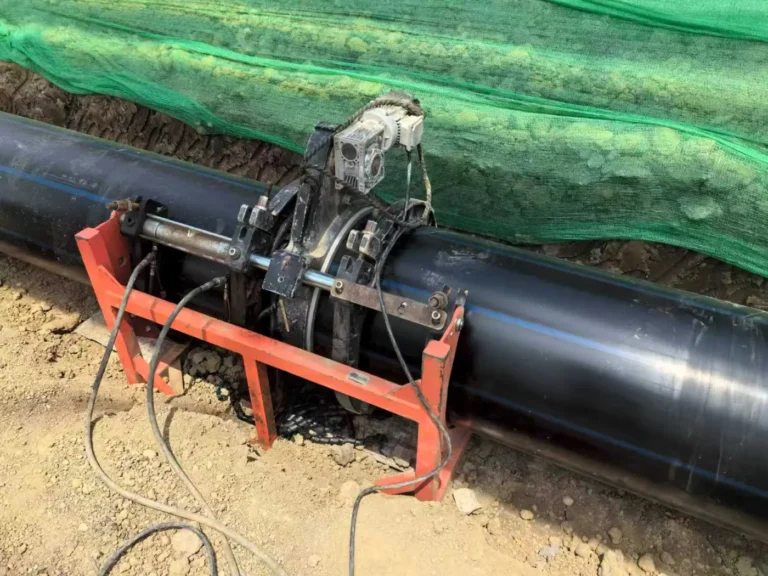
PPR is commonly used for hot and cold water distribution inside buildings. PVC is often selected for drainage, conduit and certain non-pressurized uses. PE systems are widely used for external water supply, buried routes and larger infrastructure lines where jointing and flexibility matter.
Do not compare pipe only by body material
In practical procurement, fittings, valves, joining method, wall thickness class and pressure rating matter just as much as the pipe itself. A quotation that looks cheaper on the main pipe may become incomplete once the supporting items are added back.
Review packing and delivery together
For export orders, straight lengths, bundle handling, fitting cartons, loading sequence and marking format should be discussed before order confirmation. This helps prevent packaging mismatches and reduces follow-up work during shipment preparation.
Ask for one clear technical basis
When several pipe materials are being compared, the buyer should send the same application notes, sizing schedule and quantity basis to all suppliers. That keeps the quotation scope aligned and makes technical review easier across multiple offers.
Organize the pipe schedule by system
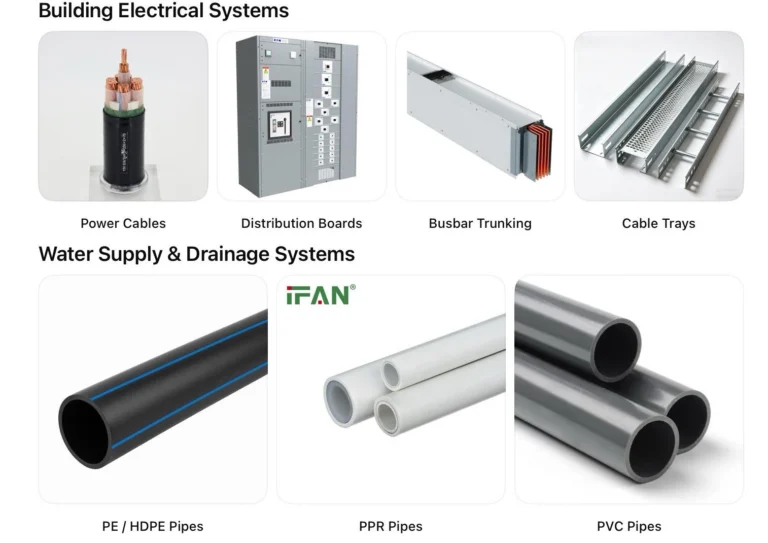
Keep PE pipes and fittings, PPR plumbing materials and PVC water supply and drainage products in clearly identified groups. State the intended duty, dimensions, required standard and connection method for each system.
Include branches, valves and matching components
A pipe-only list may omit items needed to complete the package. Specify run and branch dimensions for PE tee fittings and PVC water supply tees. Include connection sizes and service requirements for PPR stop valves.
Keep PVC-UH sewage drainage pipe requirements separate from water supply lines. A material family alone does not confirm the correct rating or approval for a particular application.
Connect the schedule with the procurement plan
For drawing-based quantities, see material quantity take-offs. For repeat stock orders, review overseas distributor supply. Send your pipe and fitting schedule with quantities and the destination for quotation.
A pipe and fitting schedule buyers can compare
Use one line for each material, duty and size. Separate pipe lengths from fittings and valves, and state the dimensional convention so suppliers do not price different interpretations of the same nominal size.
| Requirement | What to specify |
|---|---|
| System | PE / HDPE, PPR or PVC; water-supply or drainage duty; specified product designation. |
| Dimensions | Outside or inside diameter basis, wall specification, supplied length and applicable rating or stiffness requirement. |
| Operating conditions | Project service conditions and the standard or approval requirements that apply. |
| Connections | Joint type, fitting sizes, branches, transitions, valves and connection interfaces. |
| Quantity and logistics | Metres by size, component counts, spare quantities identified separately, destination and delivery stages. |
Compare documents as well as prices
Match each proposed datasheet to the quoted product. Check that a certificate or test report identifies the relevant product and scope; a supplier brochure or a generic logo is not a substitute for project-required evidence. Record accepted alternatives and exclusions before order confirmation.
Have a material list or project question?
Send a short brief with your product interest, quantities and destination.
Prefer a direct conversation? Chat on WhatsApp or email hzx@hzxtech.com. Email drawings and BOQ attachments with your company name.
Continue Reading
Related Articles
Comments