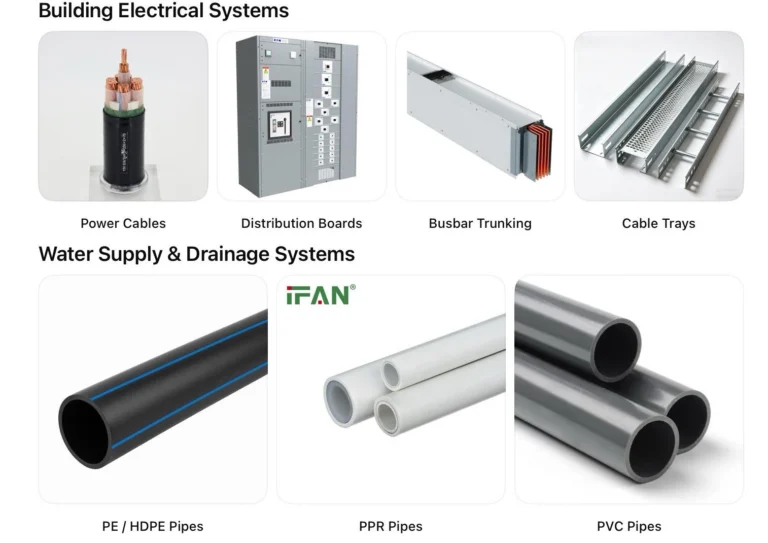

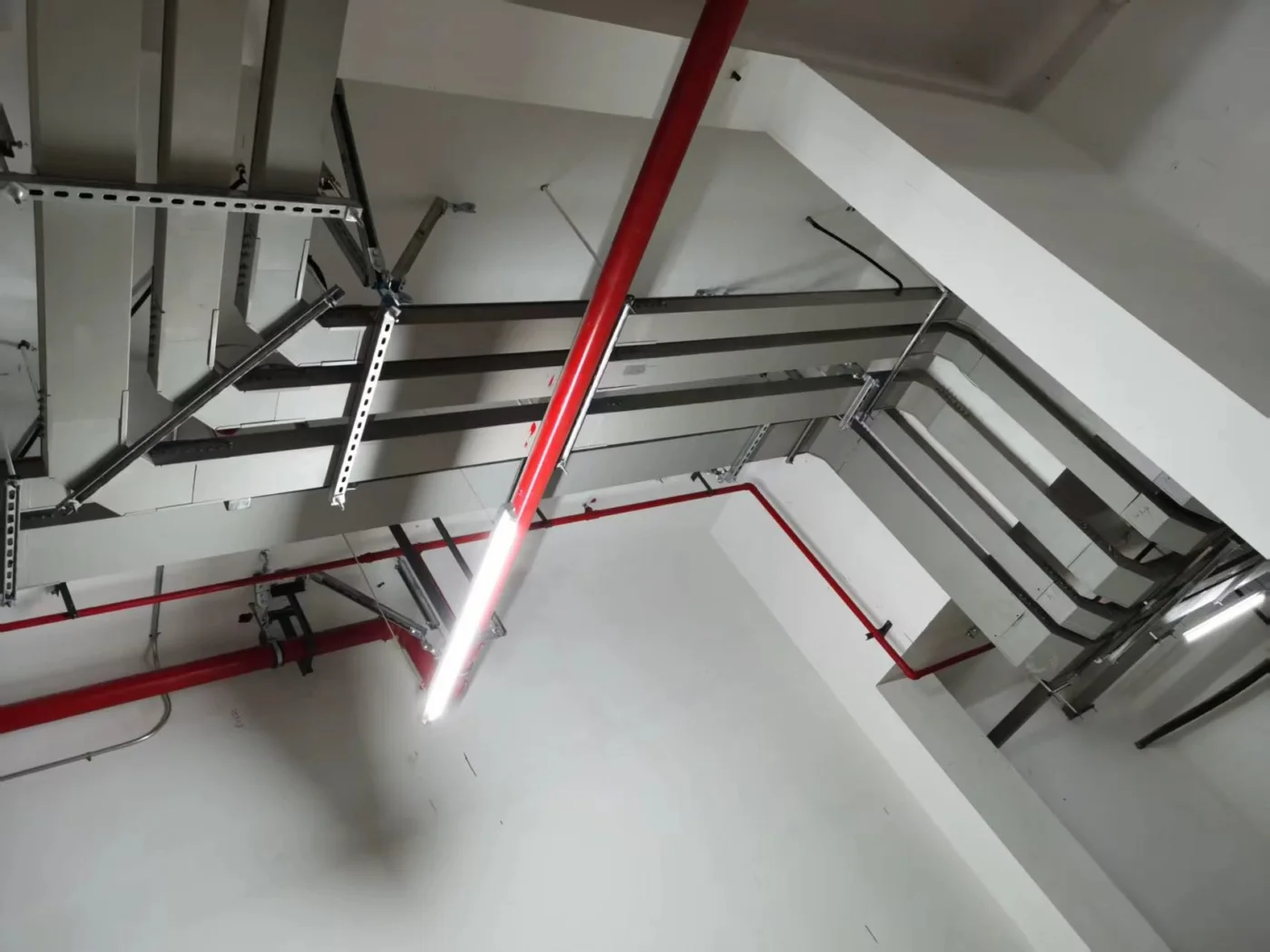
The featured image illustrates the product or installation context; the supplied configuration is confirmed for each order.
A revised drawing can change a purchase package even when the product names stay the same. A relocated cabinet may affect cable lengths and entries. A revised tray route may add fittings. A pipe connection change may alter the accessory list. The procurement task is to identify those consequences before the wrong information reaches order release.
Establish the current information set
Record the drawing number, revision, issue date and intended purpose for each document used in the enquiry. Keep a matching record for the BOQ, or Bill of Quantities, and the supplier quotation. Make it clear whether a file is for preliminary pricing, technical review or approved supply.
Do not assume the newest file received is automatically approved for ordering. Ask the responsible project party to identify the controlling revision and resolve conflicts between drawings, schedules and written instructions.
Describe the change in terms of materials
A useful change log states what moved, was added or was removed, and lists the affected material references. “Please use the updated drawing” is less actionable than identifying the route, fitting schedule and quantities that need review.
As a hypothetical example, moving a cabinet to another wall could affect the containment approach and cable-entry arrangement. The change log should ask for those interfaces to be checked; it should not invent additional quantities before the revised route has been measured.
Track each affected item through the supply process
- Before quotation: update the enquiry schedule and identify superseded documents.
- During review: ask for a revised offer with additions, omissions and alternatives shown.
- Before production: confirm the approved scope and supplier drawing issue.
- After release: establish what has already been produced, packed or dispatched before agreeing a change.
For each open item, record an owner and the response needed. Close it with an accepted document or written decision rather than an informal assumption. Keep technical approval and commercial agreement visible as separate decisions where different people are responsible.
Carry the revision into packing and delivery
Once the revised scope is accepted, reconcile quantities, item references and package marks with the delivery schedule. A correct drawing is not enough if the packing list still follows the previous material schedule.
Retain superseded records for traceability, but clearly distinguish them from the current supply information. The site team and the supplier should be able to identify the same approved item without reconstructing the entire email history.
Ask for support with a defined question
Send the previous and current revisions, the affected BOQ lines and the specific discrepancy you need reviewed. HZX’s engineering support services include drawing refinement, quantity take-offs and construction process review within an agreed scope. State which service is needed and what output the project team expects.
Use the document pack checklist for product evidence and the ordering guide for commercial and delivery coordination. The responsible project parties retain design approval and site acceptance responsibilities.
Continue Reading
Related Articles