

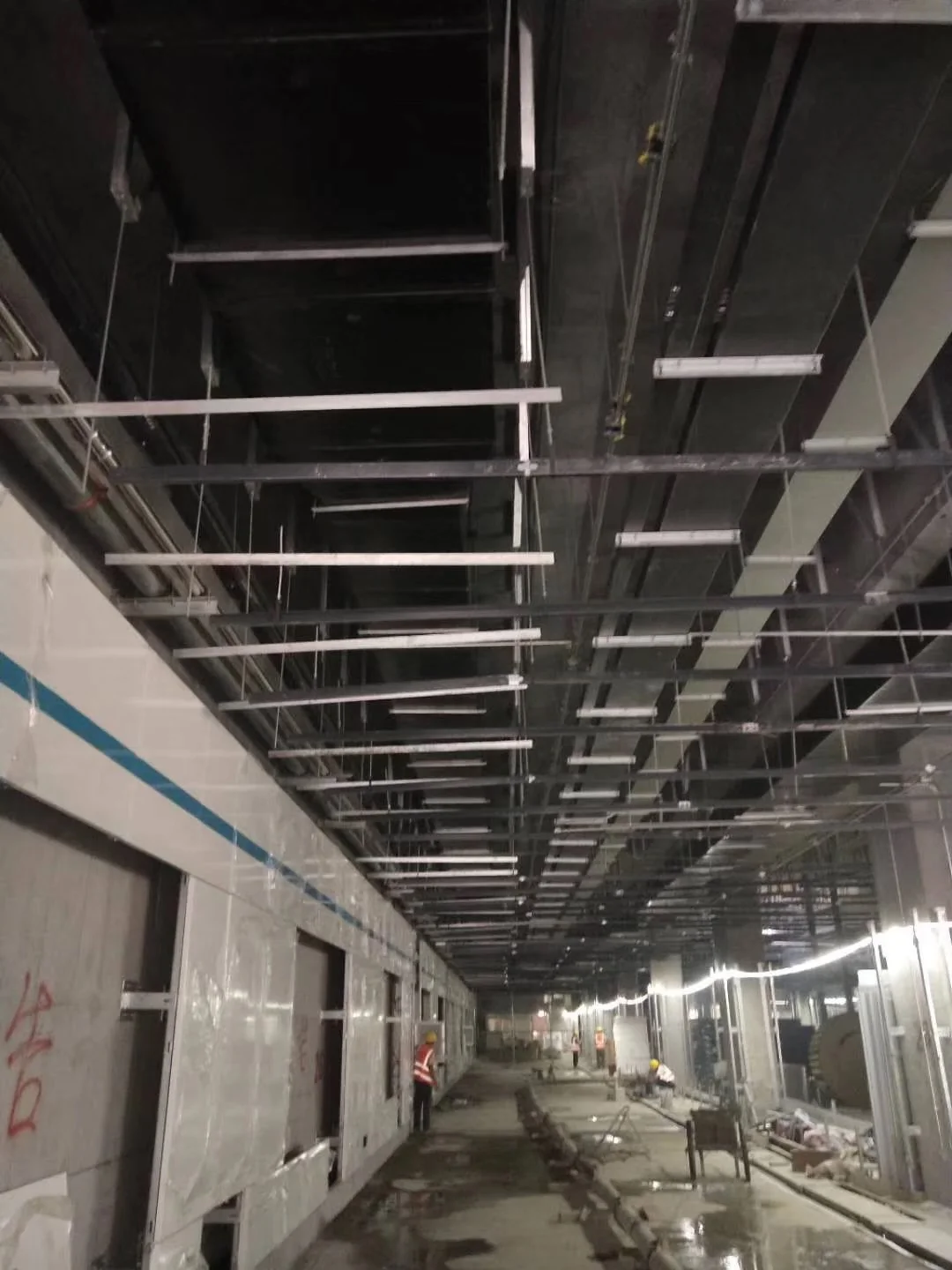
For project procurement teams, RFQs for cable trays, cables and busbar systems often fail not because the materials are difficult, but because the package scope is incomplete. Missing support details, routing assumptions or enclosure requirements can slow quotation review and create unnecessary back-and-forth.
Start with the route and installation environment
Before asking for prices, confirm whether the package is for indoor corridors, plant rooms, basement distribution zones or transport infrastructure. Tray type, anti-corrosion treatment, cover requirements and support spacing all depend on the installation environment.
Define the package line by line
A usable RFQ should identify tray widths and heights, cable ladder or perforated tray type, support brackets, connectors, bends, tees, reducers and fastening accessories. If busbar is included, the current rating, joint locations, tap-off requirements and mounting conditions should also be listed clearly.
Include documents with the inquiry
Good quotation review becomes much faster when the buyer sends drawings, route sketches, BOQ lines, load notes and any preferred standards together. Even partial documents help suppliers avoid making different assumptions about the same installation path.
Check export readiness early
For overseas projects, it is also useful to clarify packing expectations, split-delivery needs, labeling format and whether related cable protection items need to be quoted in the same package. This makes the RFQ more useful for commercial comparison and logistics planning.
Continue Reading
Related Articles
Comments