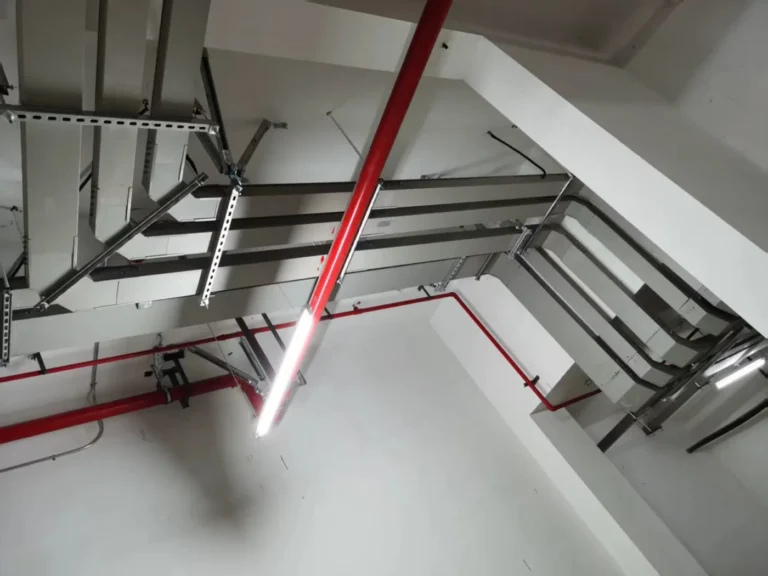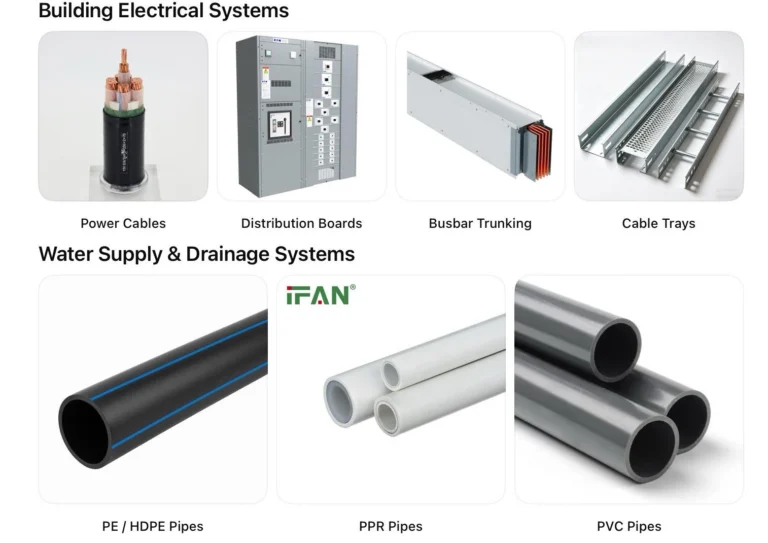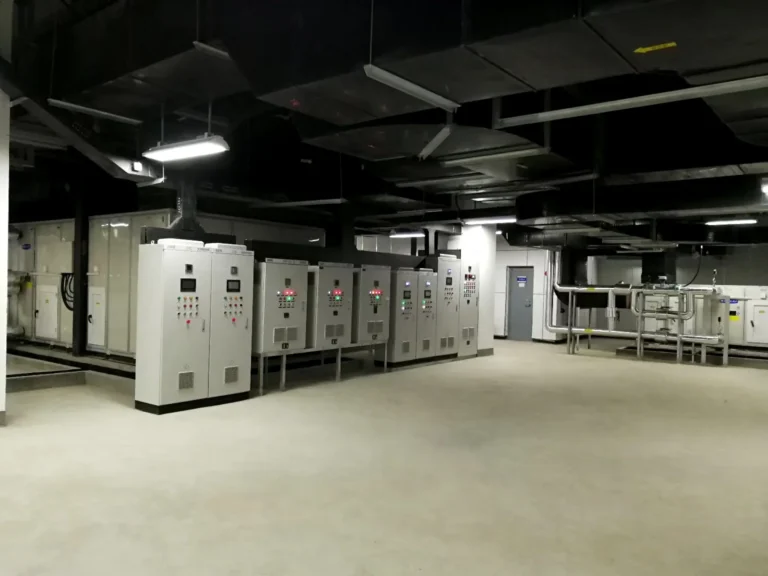

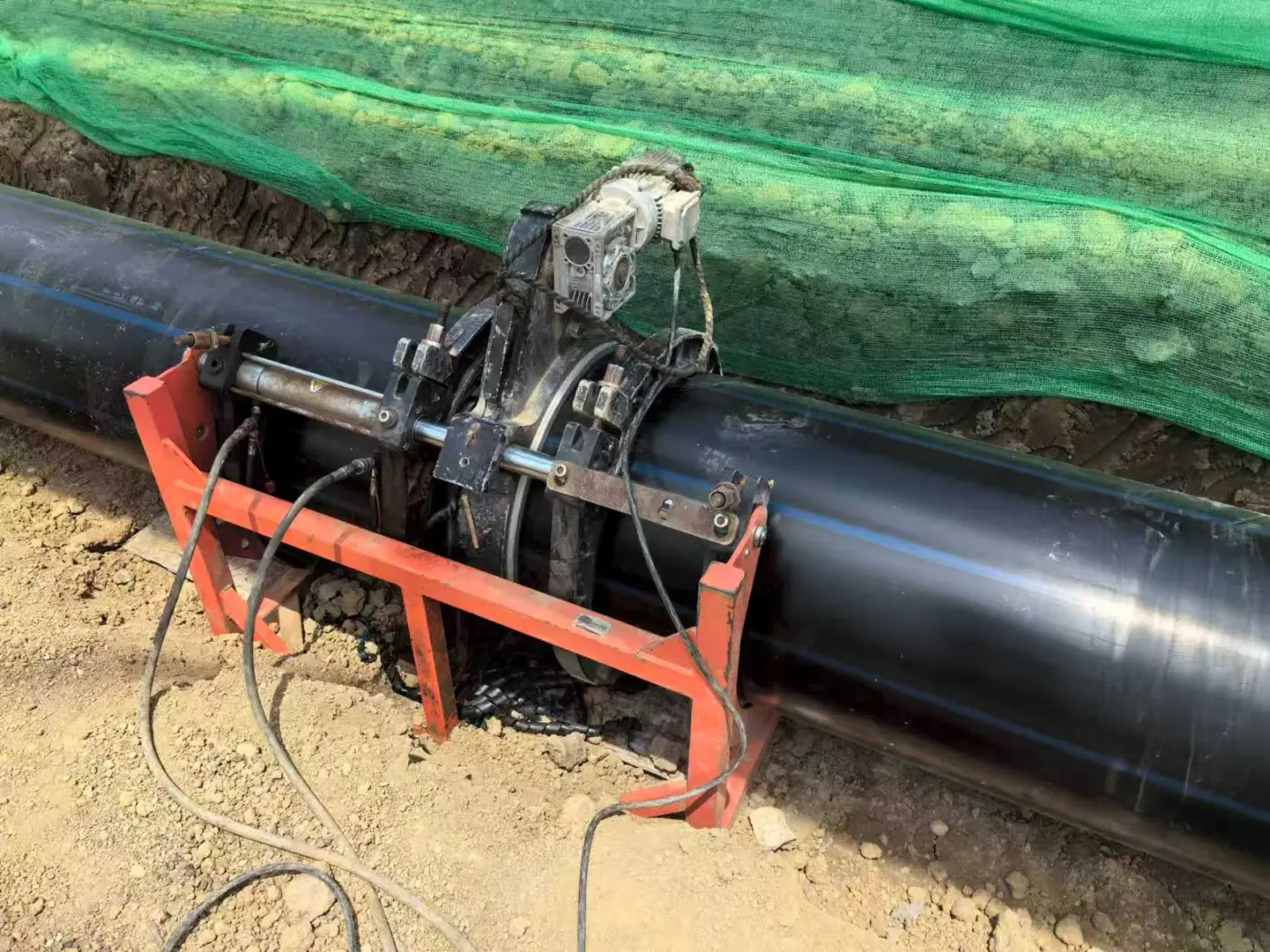
The featured image illustrates the product or installation context; the supplied configuration is confirmed for each order.
A project may need pipe, cable containment and electrical equipment at different times. Ordering them together can simplify coordination, but receiving every item in one shipment may not suit the site. Build the delivery discussion around when each work area will be ready and what the receiving team can handle.
Separate the required date from the release date
Record the date materials are needed at the agreed destination, then ask the supplier to explain the proposed production and dispatch schedule. Identify approvals, inspection arrangements and outstanding information that affect release. A requested arrival date is not a confirmed commitment until the supply and transport arrangements are agreed.
Use a simple schedule with the material reference, quantity, delivery stage, destination and responsible contact. Keep confirmed dates separate from provisional ones. When a stage changes, update the same schedule instead of leaving conflicting dates in several email threads.
Group each delivery around usable work packages
Discuss whether packages should be divided by building, floor, route or system. A batch of straight pipe may be difficult to use if the matching fittings arrive later. Likewise, cable tray sections should be considered alongside the accessories needed for that installation stage.
For example, a hypothetical first-floor package could group the approved tray lengths, route fittings and included supports under one area reference. This does not require every component to be in one physical package; it requires a clear relationship between the packing list and the work area.
Agree handling and identification before packing
- State delivery access and any known restrictions on package dimensions or handling.
- Confirm how long lengths, drums or equipment will be unloaded and stored.
- Request package marks that match the approved schedule and delivery stage.
- Identify which documents will travel with the goods and which will be sent separately.
Ask the supplier for the actual package dimensions, weights and handling information when available. Avoid planning unloading equipment from product photographs or approximate catalogue sizes.
Give receiving teams a clear checking basis
Provide the accepted order schedule and packing list to the receiving team. At receipt, record package identifiers, apparent damage, quantity discrepancies and any missing documents. Keep photos and delivery records linked to the relevant item or package so a query can be investigated accurately.
Separate receipt from technical acceptance. A delivery can be counted and received while a document or inspection question remains open. Follow the agreed acceptance process and the product-specific storage instructions rather than treating receipt as proof that every requirement is satisfied.
Keep changes visible through the final batch
Record additions, cancellations and replenishment requests against the latest schedule. Confirm how a change affects quantities already produced, packed or dispatched. HZX can discuss packing splits and delivery coordination against the agreed order; availability, freight arrangements and dates require confirmation for that order.
Review ordering and delivery information and application scenarios. Include destination, quantities and proposed delivery stages when requesting a quotation.
Continue Reading
Related Articles